
 Apple Podcasts
 Spotify
 RSS Feed
 Exodus Chapter 7: "The Last Train to Woodmere"

In the Season 2 Finale: Brian tries to convince Henry that it's the right to move to Jamaica while chilling out in NYC's Washington Square Park. Before Henry's willing to make the move, he books some time at one New York's most iconic recording studios to hear Brian "rock the mic."
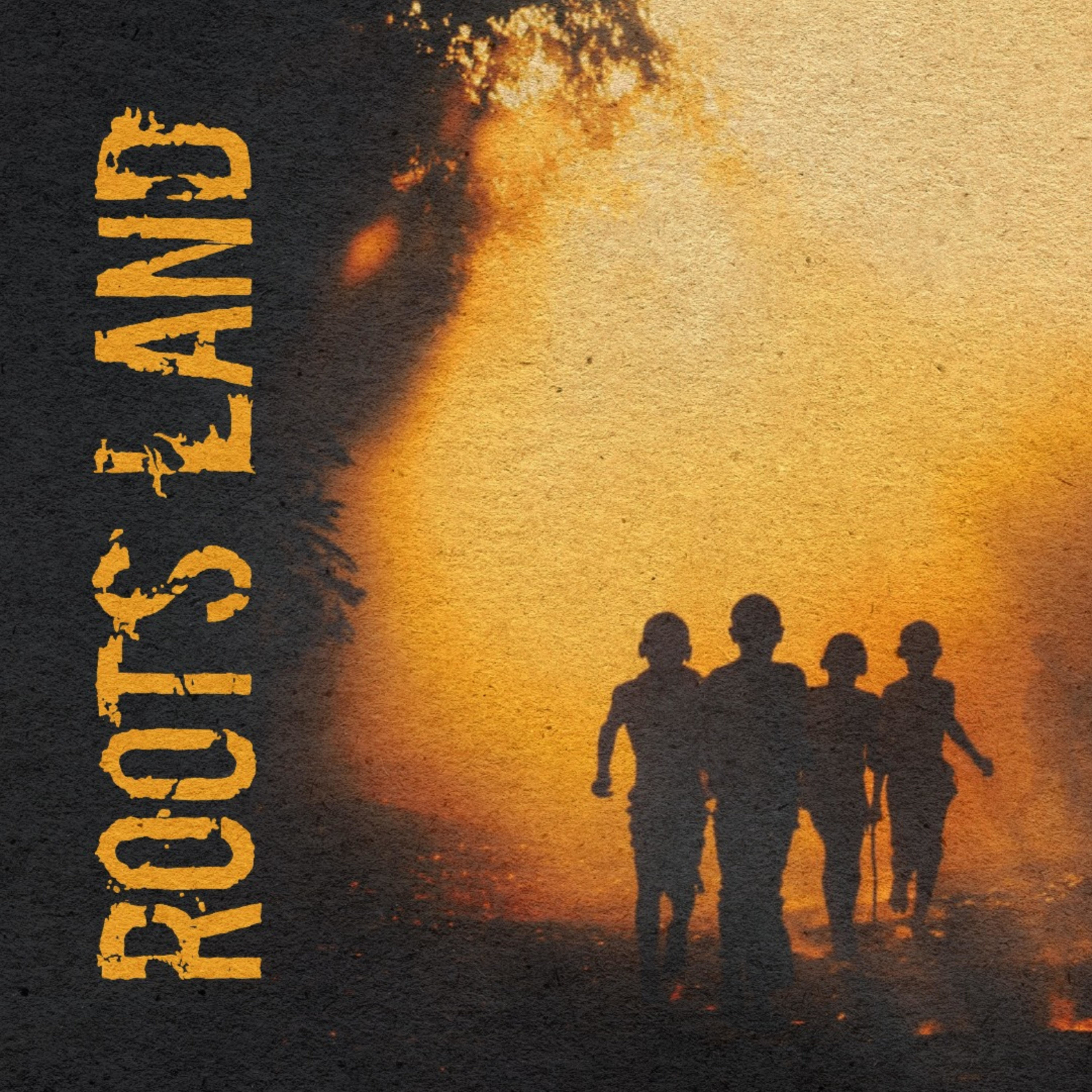
You can support the Show by purchasing The Rootsland (Original Podcast Soundtrack) featuring timeless reggae tracks performed by Wayne Armond, Bob Andy, Deadly Headley Bennett, Garnett Silk, Halfpint http://itunes.apple.com/album/id1612330205?ls=1&app=itunes
- Rootsland Season 3 Debuts in April 2022
- Stay Tuned for Bonus Episodes in March featuring Music Mixes and Special Guests
Rootsland is produced by Henry K Productions Inc. in association with Voice Boxx Studios in Kingston, Jamaica.
Introduction by: Michelle "Kim" Yamaguchi
Guest Vocals by: Patrick "Curly Loxx" Gaynor Adam "Teacha" Barnes Doug Grama MIchael Friedman
Follow Us: Legends of Reggae | Facebook
music production and sound design by Henry K
additional music under license from www.artlist.io & beatstars.com Rootslandpodcast@gmail.com
Because righteousness govern the world.
Speaker BBroadcasting live and direct from the rolling red hills on the outskirts of Kingston, Jamaica from a magical place at the intersection of words, sound and power.
Speaker BThe red light is on, your dial is set.
Speaker BThe frequency in tune to the Roots Land podcast stories that are music to your ears.
Speaker CThis is Glenn Hudloff, General manager of Island Trading Co.
Speaker CHere in New York City.
Speaker CSo, Henry, I'm not sure what happened on that trip to Jamaica.
Speaker CNot only do you no longer have a job, you no longer have a division.
Speaker CBlackwell decided to shut down the whole in house T shirt operation.
Speaker CI'm sorry to say, Henry, we have to let you go.
Speaker CWe all like you very much and if something comes up in the future, we're going to keep you in mind.
Speaker CYou don't have to bother coming back to the office.
Speaker AHey Henry, I got your message.
Speaker AI'll meet you at the square at 1:30.
Speaker DWhen Brian said the square.
Speaker DWhen anyone said the square.
Speaker DIf you were a New Yorker in the 90s, you knew exactly what they meant.
Speaker DWashington Square park in Greenwich Village, the epicenter of the universe where a convergence of diverse characters from far and wide would gather 24 hours a day to celebrate life, love, art.
Speaker DAnd in today's world, the art, the unthinkable free thought and the respectful exchange of opposing views.
Speaker DArtists, musicians, poets, punks, skinheads and breakdancers would all peacefully coexist.
Speaker DAn ever present feeling of hope would be blowing in the wind along with the aroma of strong sense.
Speaker DAmelia.
Speaker DWhich made sense because per capita, the square had the highest ratio of marijuana dealers to buyers on the planet.
Speaker AA little something for your troubles.
Speaker DWashington Square park was always edgy and dangerous.
Speaker DStill, at the time, it was protected in a pre crack, pre heroin bubble, defended by aggressive Jamaican marijuana dealers who didn't believe the herb they sold was a drug.
Speaker DThey fought to keep chemical poisons from being peddled on their turf.
Speaker DFor moral and business reasons, the Jamaicans had a good thing going.
Speaker DAnd they knew harder drugs would bring heat down on the park.
Speaker DSo they violently defended their soil.
Speaker DAs determined as those Jamaican yardies were, they were outnumbered and outgunned.
Speaker DThey couldn't hold the park forever.
Speaker DThe money, power and greed that came with crack cocaine would eventually make its way in and corrupt the once sacred square.
Speaker DAt first, the Jamaicans were relegated to a smaller area within the park reserved exclusively for marijuana sales and forced to pay a hefty tax for the spot.
Speaker DEventually, they were banished from the square altogether.
Speaker DThe Babylon system.
Speaker DDetermined to destroy the minds of the city's most Progressive youth fought so hard to penetrate that peaceful world, that idyllic bubble.
Speaker DIn the end, they figured out a way to be invited in.
Speaker DA Trojan horse named crack cocaine will blow your brain.
Speaker BSensimania is iron.
Speaker DWhen I met Brian at the square that humid spring afternoon, it was still a sanctuary in the heart of the wealthiest metropolis in the world.
Speaker DA city whose ethos was time is money.
Speaker DHad a small oasis where time stood still and countless young people faced the challenges of their future.
Speaker DPondered the eternal question.
Speaker DYou want to know what your life is like in view of eternity?
Speaker DThat's it.
Speaker AThat's it.
Speaker CThat's it.
Speaker CThat's it.
Speaker AHey, Henry, man, I'm sorry you lost your job, but.
Speaker AI mean, I feel bad, but yeah.
Speaker DThanks, Brian.
Speaker DI can tell you sound heartbroken.
Speaker AHonestly, it's probably the best thing that ever happened.
Speaker EAnd why is that?
Speaker DWhy do you say that?
Speaker AThat place was sucking the blood out of you, man.
Speaker AThat place was a vamp sucking your blood, Henry.
Speaker DYeah, joke around at my expense.
Speaker AHenry, man, that Bob Marley art exhibit you helped organize out in the Hamptons, that was awful, dude.
Speaker DYou really think so?
Speaker AIf Bob was around, he would have puked.
Speaker AI mean, really, A bunch of elites paying $10,000 for lithographs of Bob so they can, what, hang them on their walls as trophies?
Speaker AI mean, it's like a modern day slave auction, dude.
Speaker DWell, Brian, I didn't see it that way at all.
Speaker DYeah, the people who the show, maybe they were that was.
Speaker DAnd entitled.
Speaker AThat was awful.
Speaker DBut most were there because they love Bob.
Speaker DYou can see it in their eyes when they looked at those pictures.
Speaker DI don't think they wanted a trophy.
Speaker DMaybe they just lost their way.
Speaker DAnd deep down, they believe in the power of music to heal.
Speaker DThey just needed something to remind them.
Speaker AWhoa, whoa, wait, wait, wait.
Speaker AHenry, you sound like you're describing yourself, man.
Speaker AI mean, before you went corporate, didn't you believe in the power of music to heal and bring people together?
Speaker DI still do.
Speaker DI still believe.
Speaker AAnd now you want to send resumes out so you can not corporate get in line and work for some other soulless company pushing someone else's dream.
Speaker AThat's your plan for the future.
Speaker DWell, that was my plan.
Speaker DBut hearing you put it that way sounds depressing.
Speaker DAt this point, I'm not sure what I want.
Speaker AI know what you want.
Speaker AYou just want to produce music.
Speaker AI want to sing.
Speaker ASo let's just move to Jamaica.
Speaker DAre you serious?
Speaker DBrian?
Speaker DAre you really serious?
Speaker ALet's just do it, man.
Speaker AClean break.
Speaker AAn exodus.
Speaker DIt's One thing to head down for a couple of weeks or maybe a few months.
Speaker DBut to move there.
Speaker FYes, madame.
Speaker DTo Kingston.
Speaker ATime to go to Kingston.
Speaker ATime to go all in.
Speaker DOh, boy.
Speaker DI don't know about that one.
Speaker ALook, you were never ready before.
Speaker DI don't know now.
Speaker AThere's no excuse, Henry.
Speaker AI know my potential as a singer.
Speaker DOh, Brian, I know your potential.
Speaker ANothing can stop me.
Speaker AJust believe in me.
Speaker DI know your potential.
Speaker DI do believe in you.
Speaker AI won't let you down.
Speaker DIt's just, where do we stay?
Speaker DHow do we afford it?
Speaker DWe can always head down and record a song or an album.
Speaker AAnyone could go down to Jamaica to record a song or an album.
Speaker ABut to live down there, right down there.
Speaker AIt'll only make us grow as artists and people.
Speaker AJust believe in me.
Speaker DI'm not sure how long we were in the park or how much first, second or third hand smoke I inhaled.
Speaker DBut Brian's idea about moving to Jamaica actually started to sound pretty good.
Speaker DWe walked over to my friend Harlan's travel agency on West 11th street and made reservations for a flight to Kingston.
Speaker DBut before I paid and booked my ticket, I wanted to hear how Brian sounded behind the microphone in an actual vocal booth, not just freestyling on the street corner or at a downtown club on their reggae night.
Speaker DSo I booked some time at a studio for the very next day.
Speaker DOrdinarily, getting studio time in New York City for the next day and last minute is near impossible.
Speaker DBut as it turns out, I knew somebody that knew somebody.
Speaker GHenry, call me back when you get a chance, please.
Speaker GI just met such a lovely woman at Beauty Paul.
Speaker DFinding the right recording studio in New York City was always a daunting challenge, polluted with conmen willing to swear on their mother's grave that you're the next Whitney, Mariah or Michael.
Speaker DIn order to have you block out as much studio time as possible.
Speaker DAt rates starting $100 an hour, they could be pretty convincing.
Speaker DAnd that was before Autotune.
Speaker DNot to mention in the 1980s and 90s.
Speaker DThe music business was one of the preferred methods for mafia dons, gangsters and dealers to launder money and make dirty cash clean.
Speaker DLike strip clubs and car washes Fly by Night studios would pop up and disappear, often with their clients, unfinished master tapes, and always with their money.
Speaker DTrust was almost non existent in an industry that revolved around stroking someone's ego to the point of no return.
Speaker DAnd many never came back.
Speaker DPeople of integrity that valued honesty over money were rare and hard to come by to make it in the music business.
Speaker DYou need someone in your corner, an advocate willing to do the legwork for you.
Speaker DSomeone who believes in you, sometimes even more than you believe in yourself.
Speaker GHenry, I met this lovely woman at the beauty parlor and you won't believe it.
Speaker GHer son's in the music business.
Speaker DMy mom always came through in the clutch.
Speaker GShe gave me his business card and I told her you would call him.
Speaker DThe Five Towns on the south shore of Long island next to Rockaway beach, is an enclave of small hamlets that represent some of the wealthiest and most impoverished communities in all of New York.
Speaker DLawrence High School, where I attended and was the student government president, was a mix of country club kids who grew up on the manicured private golf courses in the back of Lawrence and underprivileged teens from row houses raised along the Inwood train tracks.
Speaker DBut for the most part it was exceedingly middle class, where blocks upon blocks of single family homes all shared one of three different floor plans and the same size gridded backyards, some with swimming pools, some with barbecues.
Speaker DMost of the homes like ours, were filled with happiness.
Speaker DThe Five Towns was also an area where no matter how content you were with what you had in life, there was always someone around to remind you about how much you didn't have.
Speaker DIt had the reputation as being one of the most obnoxious places in Long island, where opulent displays of wealth were paraded on a daily basis in the cars, the clothing, the jewelry, and the attitudes.
Speaker DFawning mothers were known to spend the majority of their manicures bragging about their gifted children, the doctor, the lawyer, the stockbroker.
Speaker DConspicuously loud enough for everyone in the beauty parlor to hear a chorus of scratchy voiced Long island accents penetrating a sea of humming hair dryers.
Speaker DAnd then there was my mom, never shy to boast about her son, the struggling songwriter who worked in Jamaica for Bob Andy.
Speaker DAs if any of the women knew who Bob Andy was or cared.
Speaker DMy mother was sure that I was a superstar, and one day the world would know.
Speaker DOblivious to the skeptical onlookers, to the snarls and plastic smiles of the Real Housewives of Long Island.
Speaker DOne afternoon after leaving the beauty parlor, a woman who overheard my mother talking about me approached her in front of the Woodmere bowling alley next to the salon.
Speaker DShe told my mother her son was also in the music business.
Speaker DNot to mind those other ladies or the naysayers, she said, to keep the faith and keep believing.
Speaker DAnd she handed my mom her son's business card.
Speaker GIt's D and D Recording Studios 320 W. 37th St. You can ask for David or Doug, either one of them.
Speaker GSo don't forget to call him and call me back.
Speaker GLove you.
Speaker DDavid Lotwin and Dougie Gramma, two kids from the five towns that graduated from Lawrence few years ahead of me.
Speaker DWhile their high school buddies were out making a killing in the 80s stock market and climbing corporate ladders, David and Doug were grinding away at their dream of having a successful recording studio in New York City's cutthroat music business.
Speaker DWith old fashioned hard work, sacrifice and non stop hustling, D and D built their business one client at a time and soon started earning the respect and trust of industry players.
Speaker DThey didn't have the fanciest room in Manhattan with the most cutting edge equipment, and it wasn't in one of the city's prestigious doorman buildings.
Speaker DBut D and D had something that no other studio in the city had.
Speaker DThey had David and Doug.
Speaker DIt gave the studio a heart and soul.
Speaker DAnd that combined with a group of talented, dedicated engineers and producers, they created a sound that no other room in New York could replicate.
Speaker DDD became the holy shrine of hip hop, an incubator for an early New York rap scene that pumped out hits like a beat factory, home to such notables as Premier and guru of Gangstar, KRS1's Boogie Down Productions.
Speaker DEntire stables of street talent from Jersey City to the Bronx that dominated the rap charts of the day, including Notorious, Big Mobb, Deep, Nas and a young rapper from Brooklyn that recorded his first album at D and D named Jay Z. I guess David and Doug saw some of themselves in me.
Speaker DDavid had also been to Jamaica when he was younger and worked and toured with reggae legend Peter Tosh.
Speaker DThey looked out for me like I was a little brother when I first started out as a songwriter.
Speaker DThey made their studio my home and it's where I sold my very first song.
Speaker DLong after the clock stopped ticking on my studio time, they let me hang around surrounded by world class musicians and producers that were happy to share the art and science of production and engineering.
Speaker DMesmerized in the presence of such talent, I'd spend hours sitting in on writing and recording sessions by unsigned artists that would later blossom into a list celebrities.
Speaker DI didn't even realize it at the time, but David and Doug gave me a front row seat to witness a burgeoning east coast hip hop scene at its most pivotal and vibrant moments.
Speaker DAs profound as some of those sessions were, the show didn't end when I left the studio.
Speaker DIt just changed locations to the City streets from my late night march back to Penn Station for the last train to Woodmere.
Speaker DDuring the day, 8th Avenue is a bustling parade of garmentos wheeling racks of clothing to showrooms and warehouses, trying their best to avoid New Jersey housewives prowling the sidewalks looking for exclusive sample sales.
Speaker DAfter midnight, the city streets transform.
Speaker DAn unseen New York emerges from the cracks and crevices and alleyways.
Speaker DDuring the day, they go unnoticed.
Speaker DAt night, it's neither safe to sleep or slumber, so they awake from their daylight sojourns to roam the streets, homeless on instinctively gravitating towards light and noise.
Speaker DWith torn cardboard boxes and shopping carts limping along on broken wheels, they reside in the shadows of the steel palaces, the destitute and forgotten walking back to Penn Station.
Speaker DThere was always something poetic about these barren, dystopian streets.
Speaker DThe way they perfectly echoed the raw, emotional hip hop music created inside the studio by voices that also felt destitute and forgotten.
Speaker DVoices that now had a microphone.
Speaker DI had not been back to D and D for a while, but as soon as I saw the white and yellow gray Papaya hot doggery sign on Broadway, it felt like I never left home to the 50 cent hot dog that countless struggling musicians and artists relied on for sustenance in hard times.
Speaker DFor most New York musicians, it's always hard times.
Speaker DD and D Studios was in the city's garment district on the west side, centrally located between Penn Station and Times Square.
Speaker DOutside the building, a sonic melting pot of Orthodox Jews speaking Yiddish into cell phones and Hispanic women, factory workers giggling and gossiping on their union breaks.
Speaker DInside the Narrow lobby at 320 West 37, you head straight to the freight elevator operated by the same guy since the building's construction in the 1920s.
Speaker DRight out of central casting, he manually closes and locks a rusty, collapsible metal gate and then pulls a brass handled lever like an old Hollywood version of a time machine.
Speaker DWhen you step out on the fourth floor, you're back to the future.
Speaker CHenry, what's up?
Speaker HHow you doing, brother?
Speaker DHow you doing?
Speaker DBeen a while.
Speaker DThank you so much for doing this.
Speaker DI know you're so busy.
Speaker DThanks.
Speaker HFor you, Henry K, anything, you know we're always here for you.
Speaker DThis is my friend Brian I told you about.
Speaker HHey, B, what's up?
Speaker HNice to meet you.
Speaker HWe heard about you from your boy here.
Speaker FHey, guys.
Speaker AWow, this place is iconic, man.
Speaker AIt's an honor to be recording with you guys.
Speaker HLet's get you set up in the.
Speaker DVocal booth, see what you got Brian stepped into the vocal booth and Doug eg followed him in and helped him put on the headphones over his long, straight blonde hair.
Speaker DThen Doug adjusted the microphone stand which had to be lowered to Brian's height, which was obviously shorter than the studio's previous client.
Speaker DMuch shorter.
Speaker DI placed a record on the turntable which was already connected to the mixing board in the control room.
Speaker DThen I put the needle on the record and Brian put his vocal on the rhythm.
Speaker FThis a liquor isla in his style.
Speaker FBadang dung dang.
Speaker FDon't call me saying this.
Speaker FA liquor is a liquor, Brian.
Speaker FA fish at gonna make your move.
Speaker FI like the one liquor.
Speaker FCut up and make your fizzle iri up and move.
Speaker FPanda Spot 1991 we report this part.
Speaker FNew York City.
Speaker FWe are guana Jamaica we are chattan A liquor is locked.
Speaker FIt must become like you won't.
Speaker HSo Henry, where did you find this guy?
Speaker DBelieve it or not, he found me.
Speaker DHe seems to keep on finding me.
Speaker DAlright, Dougie, so tell me.
Speaker DWhat do you think?
Speaker DWhat's the verdict?
Speaker DSounds pretty good, right?
Speaker HI mean, he's great.
Speaker HHe sounds just like a Jamaican.
Speaker DHe can groove.
Speaker DI know he knows how to rock it.
Speaker HIt's a cool concept for a white guy, but gonna come with its own set of problems.
Speaker HKnow what I mean?
Speaker DYeah, I know what you mean.
Speaker DBut he's pretty good, right?
Speaker HAs good as he is, at some point he's going to have to find his own identity, his own sound.
Speaker HThat's not as easy as it seems.
Speaker DWhat do you think?
Speaker DIs he good enough for me to make the move?
Speaker DShould I pack my bags and head down to Jamaica?
Speaker HDoes Brian sound good enough for you to pack up everything and move to Jamaica?
Speaker DIs he?
Speaker DHmm.
Speaker HThe truth is, Henry, at this point, I don't think it really matters.
Speaker HI think you're ready to go either way.
Speaker DYou mean that?
Speaker HIsn't this what you've been dreaming about forever?
Speaker DYeah.
Speaker DIt's always been my dream.
Speaker DYou know that.
Speaker DI've just been waiting for the right time.
Speaker HThis is your time.
Speaker HIf Brian has what it takes, you'll find out soon enough.
Speaker DWell, that's good enough for me.
Speaker HAnd it's not like New York City is going anywhere.
Speaker DWell, I guess that's what I needed to hear.
Speaker DThanks, Doug.
Speaker DA few weeks after the D and D session, I picked up Brian at the Woodmere train station in Long Island.
Speaker DWe were staying at my parents place the night before leaving for Kingston.
Speaker DThe house I grew up in was only seven miles away from jfk.
Speaker DOne of the Busiest airports in the world.
Speaker DI lived so close.
Speaker DThe lights from the plane's landing gears would shine through the cracks in the blinds of my bedroom windows at night as a kid, I could sit in my backyard for hours and watch the planes take off and descend.
Speaker DThey would come in like clockwork over my neighbor Richie Tanowitz's tall green pine trees.
Speaker DEvery few minutes, another flight carrying passengers from faraway places that spoke exotic languages.
Speaker DI would imagine there were people visiting family and friends, traveling for work and fun and some chasing distant dreams with hopes of new beginnings.
Speaker DI always knew that one day I'd have my chance.
Speaker DAnd thanks to Brian from Colorado who convinced me to make this journey, my one day was here.
Speaker DFirst thing in the morning, I'd be boarding an American Airlines flight to Kingston, embarking on a life changing, mystical musical adventure to a Caribbean island whose motto is We Licko but we Talawa, which means we're small but mighty.
Speaker DAnd from the window seat of a 737, I watched the sunrise over the Long island beaches that I spent my youth.
Speaker DBefore leaving, Brian asked if he could keep some of his things at my parents house for safekeeping while we were in Jamaica.
Speaker DHis most valuable belongings, Things he didn't want to risk bringing to the island.
Speaker DLooking back, it felt almost ceremonial the way he removed a gold chain from around his neck and carefully placed it in an old cigar box alongside an empty pack of lion of Judah rolling papers with a number scribbled on it and a sterling silver baby spoon.
Speaker DHe took the cigar box and wrapped it in an Abbie Hoffman T shirt that had the image of an American flag and the quote, the only way to support a revolution is to make your own.
Speaker DHe handed it over to me and I stashed it on top of my closet over a set of old encyclopedias.
Speaker DI remember thinking that all Brian's most valuable possessions could fit in a cigar box with room to spare, not knowing at the time he would never get a chance to come back for them.
Speaker DBut it was never Brian's possessions that made him rich.
Speaker DHis richness was life and his gift, leading me to where I am today and will forever be.
Speaker DA magical place at the intersection of words, sound and power.
Speaker DA place called Roots Land.
Speaker IHave you made say, millions of dollars?
Speaker DNo.
Speaker IAre you a rich man?
Speaker IWhen you mean rich, what do you mean?
Speaker IYou have a lot of possessions, a lot of money in the bank position make you rich?
Speaker II don't have that type of richness.
Speaker IMy richness is life.
Speaker EThank you for tuning in to the Season two finale of Roots Land and all your support, emails and comments.
Speaker ESeason three will return in April and before then we'll have a couple of bonus episodes with music and guests.
Speaker DYou can also support our show by.
Speaker EDownloading the Roots Land Music Soundtrack, consisting of classic roots reggae songs by legends of Reggae that will be available on itunes, Amazon or wherever you download or purchase music at the end of this month.
Speaker DDon't worry about a thing because every little thing is going to be alright.
Speaker GAnd Rique Productions.