
 Apple Podcasts
 Spotify
 RSS Feed
 Exodus Chapter 1: "Ambush in the Night"

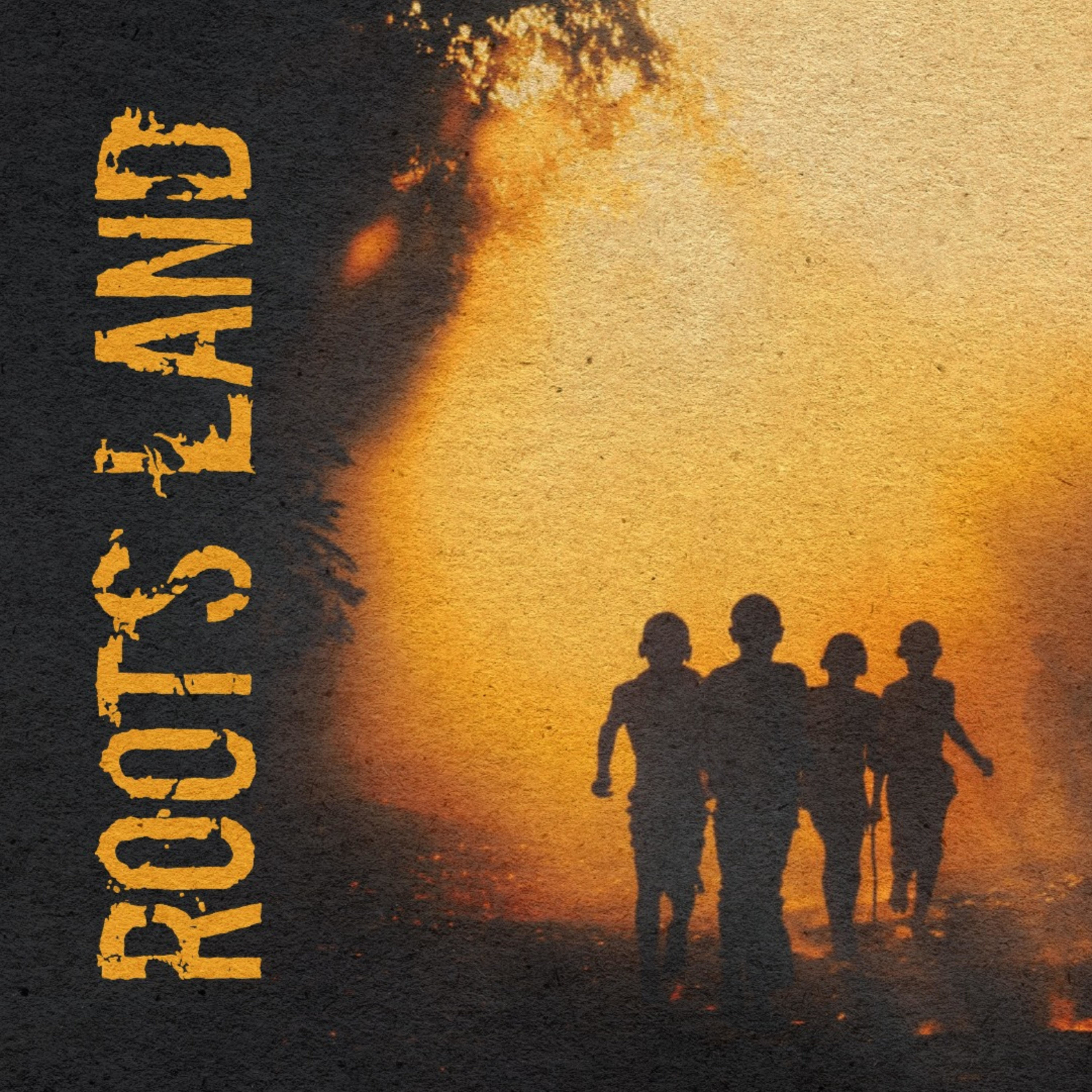
The Season 2 Debut of Rootsland picks up when Narrator Henry K returns to 56 Hope Road where a decade earlier a violent assassination attempt was made on Bob Malrey's life. Summoned to the hallowed ground by Bob's determined widow "Sister Rita," a simple goodbye turns into a dire warning.
Rootsland is produced by Henry K Productions Inc. in association with Voice Boxx Studios in Kingston, Jamaica.
Introduction by: Michelle "Kim" Yamaguchi
Guest Vocals by: Patrick "Curly Loxx" Gaynor
Home | ROOTSLAND Reggae Music, Podcast & Merchandise "Wear Your Culture"
Follow our show at : Legends of Reggae | Facebook
Because righteousness govern the world.
Speaker BBroadcasting live and direct from the rolling red hills on the outskirts of Kingston, Jamaica, from a magical place at the intersection of words, sound and power.
Speaker BThe red light is on, your dial is set, the frequency in tune to the Rootsland podcast.
Speaker BStories that are music to your ears.
Speaker CDecember 3, 1976.
Speaker CA natural mystic was flowing through the air as the sweet sound of reggae spilled out into the streets of this quiet uptown Kingston neighborhood in what had become an evening ritual.
Speaker CThe inescapable sound of Bob Marley and the Wailers penetrating the peaceful suburban night as the band rehearsed at Bob's residence at 56 Hope Road.
Speaker CThe crackling one drop of Carlton Barrett's kick drum punctuated his brother Astin's rumbling bass line.
Speaker CTheir instruments entwined together in a sacred dance under the Jamaican stars, accompanied by Marley's wailing vocals.
Speaker COn this night, sounding more urgent than ever, almost to the point of desperation, Bob Marley, child of the ghetto, had extraordinary instincts, and tonight they were on high alert.
Speaker CAs the group prepared for one of the most important shows of their career, taking place only days away.
Speaker CMarley sensed something was wrong.
Speaker AYou know, Rita, right now, Rasta don't feel right.
Speaker AI man pick up on some negative vibration.
Speaker DBaba, I was thinking the same thing.
Speaker DYou know, I'm going to rest in the car and take a little break from the rehearsal.
Speaker CThe door to the rehearsal studio slowly opened, just enough for an arm holding a gun to push through.
Speaker CAnd before anyone noticed, the gloved trigger finger started emptying rounds into the cramped space.
Speaker CIn the chaos and through the smoke, a team of hitmen rush in, firing off a barrage of gunshots.
Speaker CHelpless, trapped in a room with no exits and nowhere to run, the band members take cover any place they can.
Speaker CLoud booms are followed by zipping bullets ricocheting off cement walls, shattering glass and smashing musical instruments.
Speaker CBob's chest is grazed by a bullet that lodges in his arm.
Speaker CHis manager, Don Taylor, struck several times.
Speaker CHe hits the ground where he lays in a pool of blood.
Speaker CThe gunmen, thinking their work is done, exit as quick as they came in, but not before they spot Bob's wife, Rita, sitting in a parked car in the driveway.
Speaker CThe last thing Mrs.
Speaker CMarley remembered hearing before the assassins turned their guns on her was that everyone was dead.
Speaker CThen she felt the warm sensation of blood flowing down her neck.
Speaker EHere now is a special item of news from the JBC newsroom.
Speaker EEntertainer and reggae star Bob Marley, Rita Marley and the manager of the Wailers, Don Taylor, are now patients in the University Hospital.
Speaker EAfter receiving gunshot wounds during a shooting incident which took place at Marley's home at 56 Hope Road.
Speaker ETonight, the CIA would look upon the radical political content of reggae music as dangerous because it would help to create a consciousness among poor people, among the great majority of Jamaicans.
Speaker EJamaicans, Jamaicans.
Speaker EJamaicans, Jamaicans.
Speaker CBy a miracle of Jah Almighty, everyone would survive the shooting at Hope Road.
Speaker CMarley is warned that his life was in danger and he should immediately cancel his upcoming show.
Speaker CBut smile.
Speaker CJamaica had been planned for months.
Speaker CBob Marley's brainchild.
Speaker CA free concert to unite the people of the island.
Speaker CRegardless of class, race or political party affiliation.
Speaker CMarley, like most of Jamaica, was fed up.
Speaker CIt was time to put away decades of bloodshed and tribal wars that have divided the country, that had seen neighbors killing neighbors.
Speaker CThis night was planned as a celebration.
Speaker COne nation sharing one love and one heart.
Speaker CNot everyone was in the sharing mood.
Speaker CThe Babylon system that Marley so despised thrived on this division.
Speaker CThe corrupt politicians and their thugs, they thought they can intimidate the King of Reggae.
Speaker CThey were sure even if they didn't kill him, he'd heed their warning and cancel the performance.
Speaker CCome together and defend one team.
Speaker CSo imagine Babylon's surprise when two nights later, Bob Marley, his wife Rita and the Wailers band stepped out onto the stage at National Heroes park in Kingston with their wounds from the gunman's bullets still wrapped in bloody bandages.
Speaker CSurrounded by tens of thousands of cheering fans packed in on all sides.
Speaker CThe musicians aware there was no guarantee for their safety, knowing full well there was still a price on Bob's head.
Speaker CAnd rumors the assassins were hiding out somewhere in the massive crowd, determined to finish the job they started.
Speaker AJa Ross.
Speaker CTo this day, those who attended the show are still awestruck about what they saw Bob Marley do on stage that night.
Speaker CSinging and dancing the night away in revolutionary defiance, extolling righteousness.
Speaker CBurning fire upon Babylon.
Speaker CBob's courage forever standing as an example of a man's willingness to sacrifice everything for his convictions.
Speaker CHis brilliant hypnotic performance uplifted the entire country.
Speaker CShowing his people, you can stand up to tyranny and bullying and violence and conquer it with courage, faith and love.
Speaker CThey say that was the night Bob Marley went from a singer to a legend.
Speaker CBob survived the battle, but he was a wounded lion.
Speaker CMore spiritually than physically.
Speaker CStunned his life would mean so little.
Speaker CHis fellow Jamaicans would sell him out in a murder for hire plot.
Speaker CMarley left his island home and went into exile in London, England to recover his strength, to satisfy his soul.
Speaker CPart of his healing process was Writing and recording the album Exodus, released the following year.
Speaker CAn astonishing musical and emotional journey that captures this turbulent moment in his life.
Speaker CThe title song, a modern retelling of the biblical story of the prophet Moses leading the Hebrews out of slavery to their promised land.
Speaker CMarley's Exodus focuses on the African slaves stolen from their homeland, forced into 400 years of brutal and dehumanizing slavery.
Speaker CHis dream is seeing the repatriation of the descendants of these slaves, the children of the diaspora returning to their promised land, a peaceful, unified and thriving African continent.
Speaker CIn 1999, Time magazine awards Bob Marley's Exodus the album of the century.
Speaker CBeating out Some Kind of Blue by Miles Davis and Are youe Experienced by Jimi Hendrix.
Speaker CFrom the ghettos of Kingston to the suburbs of Long island where I grew up, and just about everywhere in between, people connect to Bob Marley and his message on so many levels.
Speaker CHis music is a constant reminder that the world is hurting.
Speaker CThe world is divided, the world needs healing.
Speaker CAnd as God's children, we have an obligation to fight to make it a more just and equitable place for all humanity.
Speaker CBecause in the end, the things that divide us, like polytrics, isms and schisms, they're strong, designed by man to separate and keep us apart from each other.
Speaker CBut the things that unite us and connect us, like love, faith, hope, they're created by a higher power and are so much stronger.
Speaker CSo when Bob Marley sang Wake up and live, Rise up, mighty people, there's work to be done, I figured, why not take him up on his offer?
Speaker CGrowing up in the 80s, I saw firsthand how music could be a catalyst for enacting social change.
Speaker CReggae helped inspire a new crop of activist musicians from all genres that believed music could bring about a higher consciousness.
Speaker CAn awakening.
Speaker CThe Clash, U2, Peter Gabriel with Yusu Endorphins, hip hop artists Chuck D&KRS1.
Speaker CEvents such as Live Aid and Farm Aid.
Speaker CThey revealed hidden truths, taught realities many of us had not experienced firsthand and weren't covered in the mainstream media.
Speaker CMusic became one of the most powerful tools for educating, informing and enlightening my generation.
Speaker CAnd I just wanted to be part of that.
Speaker CA decade after the release of the album Exodus, I traveled to the island of Jamaica, lucky enough to get a job at Tuff Conk Records in Kingston, working for Bob Marley's legendary and perseverant widow sister Rita.
Speaker CAnd from the moment I stepped off the plane, she made sure I was immersed in every aspect of the music from its creation.
Speaker COn inner city street corners where young hopefuls audition Acapella looking for an escape from a never ending cycle of poverty to the polished and refined inner sanctums of the island's iconic recording studios, where maestro engineers put finishing touches on mixes that become hit songs.
Speaker CMrs.
Speaker CMarley saw that I was lovingly mentored by true reggae royalty.
Speaker CSinger, songwriter extraordinaire, Bob Andy and saxophone great deadly Headley Bennett.
Speaker CAuthentic pioneers that gave everything they had to the museum for the pure love and joy of making it their payback.
Speaker CGetting to spend the twilight of their lives fighting for their fair share of rights and royalties just so they can provide a future for their children and grandchildren.
Speaker ARemember my youth.
Speaker AIt's called music business here.
Speaker AAnd while the music might be deeply spiritual, the business lack any kind of soul whatsoever.
Speaker ADespite the disappointment though, I would not trade any of it for the world.
Speaker AAnd most importantly, there is no expiry date and a dream.
Speaker AAnd if you don't have a dream, it can't come true.
Speaker CSecurity opened the gate when he saw me in the front seat of brother Nelson's taxi.
Speaker CThis was my last stop before heading to the airport.
Speaker CIt was time to go home.
Speaker CA poetic end to my trip to Kingston.
Speaker C56 Hope Road, now the Bob Marley Museum.
Speaker CMrs.
Speaker CMarley wanted to see me here before I left.
Speaker CAnd unlike our previous meetings at Tuff Gong's bustling downtown offices on Marcus Garvey Drive, today she was waiting for me within the gated confines of the museum on Hope Road.
Speaker CThe famed house originally owned by Island Records founder Chris Blackwell, bought by Marley and transformed into his uptown musical oasis, an ultimate rasta chill spot.
Speaker C56 Hope Road is also the location where 10 years earlier, the assassination attempt on Marley's life took place.
Speaker CAnd although Bob survived that brutal attack, within five short years he would lose a battle to a deadlier, more formidable foe, Cancer.
Speaker CBob never stopped fighting for others or himself.
Speaker CHe struggled for survival up until his last days, far from home, emaciated from experimental treatments that would ravage his body and without the divine source of his strength, his trademark dreadlocks.
Speaker CThey had to be cut off due to the damage of chemotherapy.
Speaker CAnd it was done in a solemn bedside ceremony on Bob's terms, surrounded by the ones he loved.
Speaker CNot long after, on May 11, 1981, the skipper, the mighty tough Gong, lost the battle for his wife, Sister Rita.
Speaker CThe war was just beginning when it was discovered that Bob Marley, one of the wealthiest entertainers in history, neglected to leave a will.
Speaker CVampires and scavengers immediately started circling Mrs.
Speaker CMarley, at times represented by inept and criminal Lawyers would face countless legal battles involving biased judges, corrupt government officials and court appointed banks, all vying for control of the Marley estate.
Speaker CShe'd faced the humiliation of multiple children coming forward, fathered out of her husband's infidelities.
Speaker CThere were disparaging comments made against her character and betrayal by people she trusted most.
Speaker CFor Mrs.
Speaker CMarley, the worst was long from over.
Speaker CBut by now she had learned to conceal her hurt.
Speaker CShe greeted me with a gentle smile and a warm hug, her face as youthful as it was in the teenage pictures of her and Bob hanging out on the streets of Trenchtown.
Speaker CThe consummate survivor stood before me in a room filled wall to wall with memorabilia and mementos of her late husband.
Speaker CThe signs of a life well lived, a man well loved.
Speaker CGold records, music awards, government honors and medals, proclamations from leaders, pictures of Bob with smiling celebrities and adoring fans transfixed by their dreadlocked superhero.
Speaker CMost revealing, the hundreds of photos, letters and postcards sent from around the world by ordinary people.
Speaker CPostmarked from places far and wide, scribed in every language imaginable.
Speaker CSome handwritten, others typed.
Speaker CPictures and drawings from fans eager to share their stories, say their thank yous.
Speaker CAnd somewhere, buried in this massive collage is a poem sent by a teenager from Long Island, New York, on a piece of loose leaf paper torn from a notebook.
Speaker CAnd the teenage me that mailed the letter never dreamed that I'd be standing here in the home of my childhood hero with the woman he loved.
Speaker DYou know, it's amazing to see how far one voice from the ghetto can reach, you know?
Speaker DBut more than anyone always knew this.
Speaker DThis was more than just music, more than just one man.
Speaker DThis is a movement, a conscious uprising.
Speaker DHenry, I really hope coming to Jamaica was a positive experience.
Speaker DNo matter what you do in life, whether you choose to be in music or not, remember Jamaica.
Speaker DOur people, our story.
Speaker CI promise, Mrs.
Speaker CMarley, I'll never forget the people that I had a chance to meet, the places I had a chance to go.
Speaker CI don't even know how people can survive in those conditions.
Speaker DYou see those conditions, that suffering.
Speaker DThat's where reggae music comes from.
Speaker DYou know, it only takes the smallest flame to brighten up the darkest place.
Speaker DReggae music is a spark.
Speaker DThe flame and the fire.
Speaker DI'm sure you've listened to the words of Bob's Redemption Song.
Speaker CYeah, of course, Mrs.
Speaker CMarley.
Speaker CI heard Redemption Song a thousand times.
Speaker DI didn't ask if you heard.
Speaker DI asked if you listened.
Speaker DEmancipate yourself from mental slavery.
Speaker DNone but ourselves can free our minds.
Speaker DHenry, you may be too young to understand, but if you can learn to free your mind, no one can take you prisoner.
Speaker DNo matter where you are, you will always be free.
Speaker CMrs.
Speaker CMarley was right.
Speaker CI was too young to understand.
Speaker CSo the system captured me.
Speaker AThe Rootsland Podcast is produced by Henry K in association with Vice Box Studios.
Speaker AMake sure the item click the link below.
Speaker AMake sure you click the link below.
Speaker ALike share and subscribe.
Speaker ASo join the Roots gang and Roots land.
Speaker ADon't worry about that thing going be all right.
Speaker BHenry K Productions.